Last updated Mar 30, 2026
Fences keep children and pets inside your yard while keeping intruders or unwanted critters out. They can also be useful for privacy and noise reduction. Once you’ve decided that you want to build a fence, the biggest question is: do you hire a contractor or do the work yourself?
Do it Yourself, with the Right Equipment
If you choose to install a fence yourself, make sure you have more than enough time to work on it. There’s bound to be unexpected obstacles, so project completion will likely take longer than anticipated. You’ll also need to familiarize yourself with any local zoning ordinances that regulate fencing.
If you go your own way, see if you can find a neighbor, friend or relative who has completed a similar job so you can lean on them for advice and maybe a helping hand. For any DIY fencing project, it is imperative that you call 811 to have underground utilities marked. This will minimize your liability and help keep you safe from dangerous digging accidents.
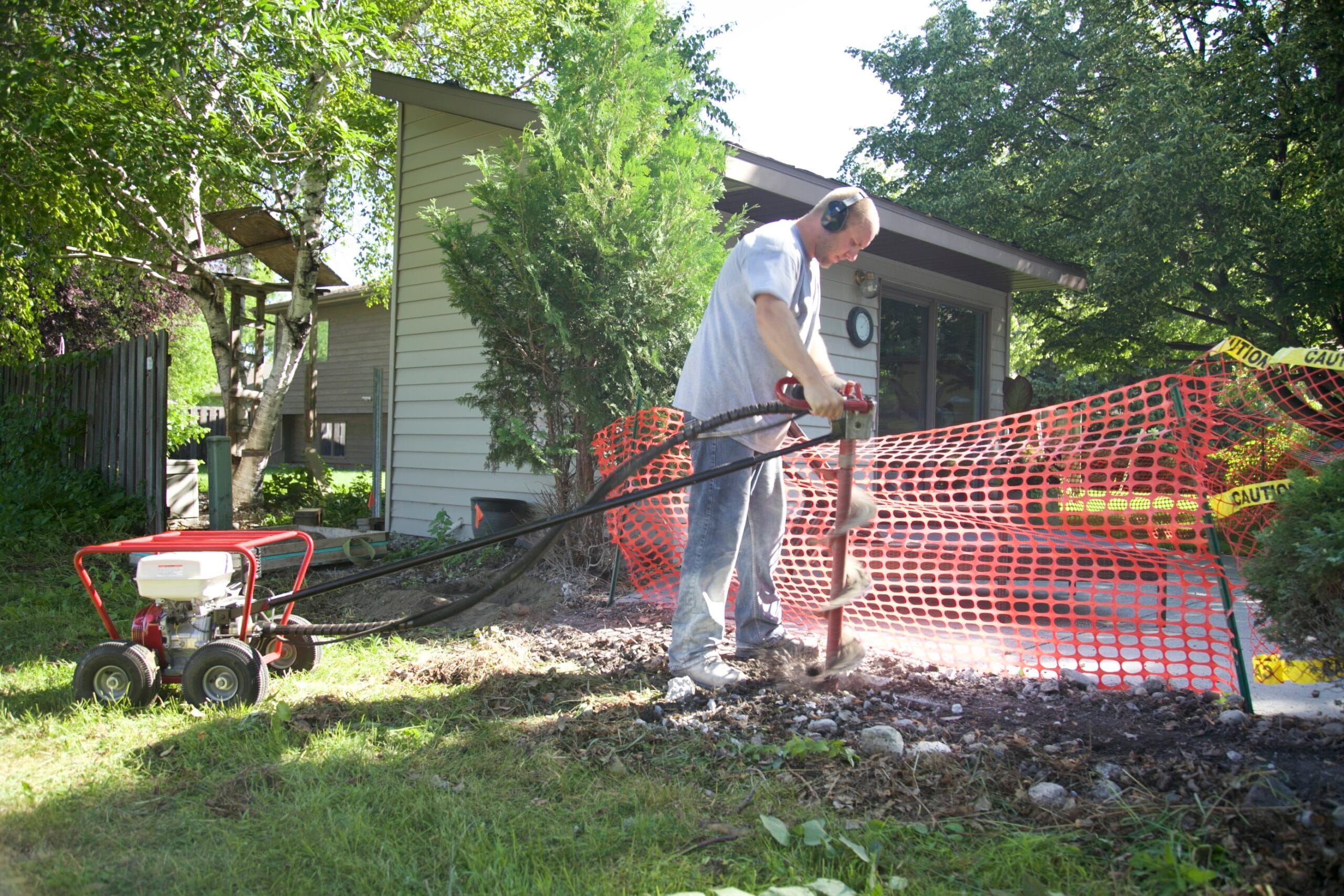
Fencing is hard work, but it’s easier when you have the right equipment. Little Beaver earth drills are versatile, and you may want to consider buying one if you anticipate more projects, such as running wires under your sidewalk for lighting, running pipe under your driveway for irrigation, planting a garden or installing drain tile. But if you only foresee needing an earth drill for this single task, there are rental centers nationwide that offer our equipment.
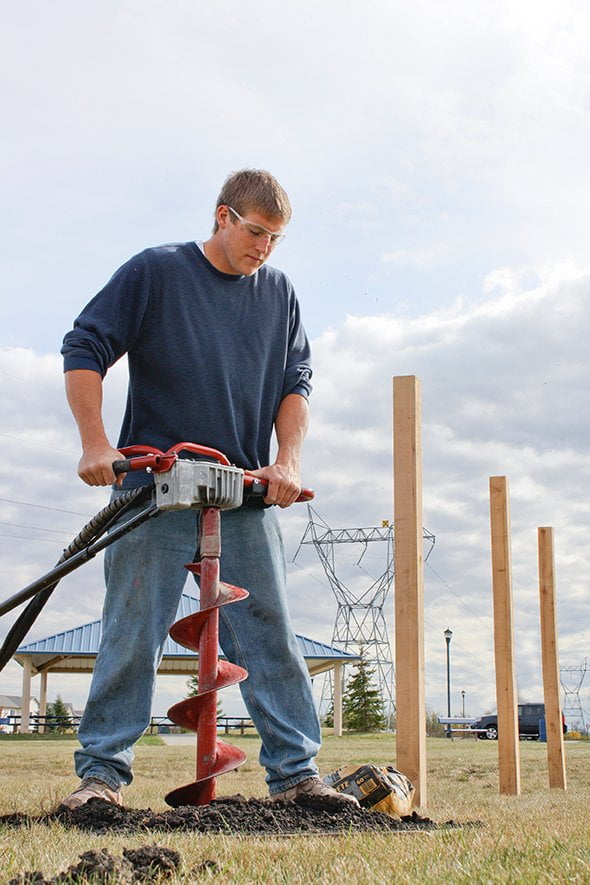
Mechanical earth drills are the most popular choice among fencing contractors, as they offer swift speed and light weight. This model is ideal for sandy or loamy soils with few obstructions.
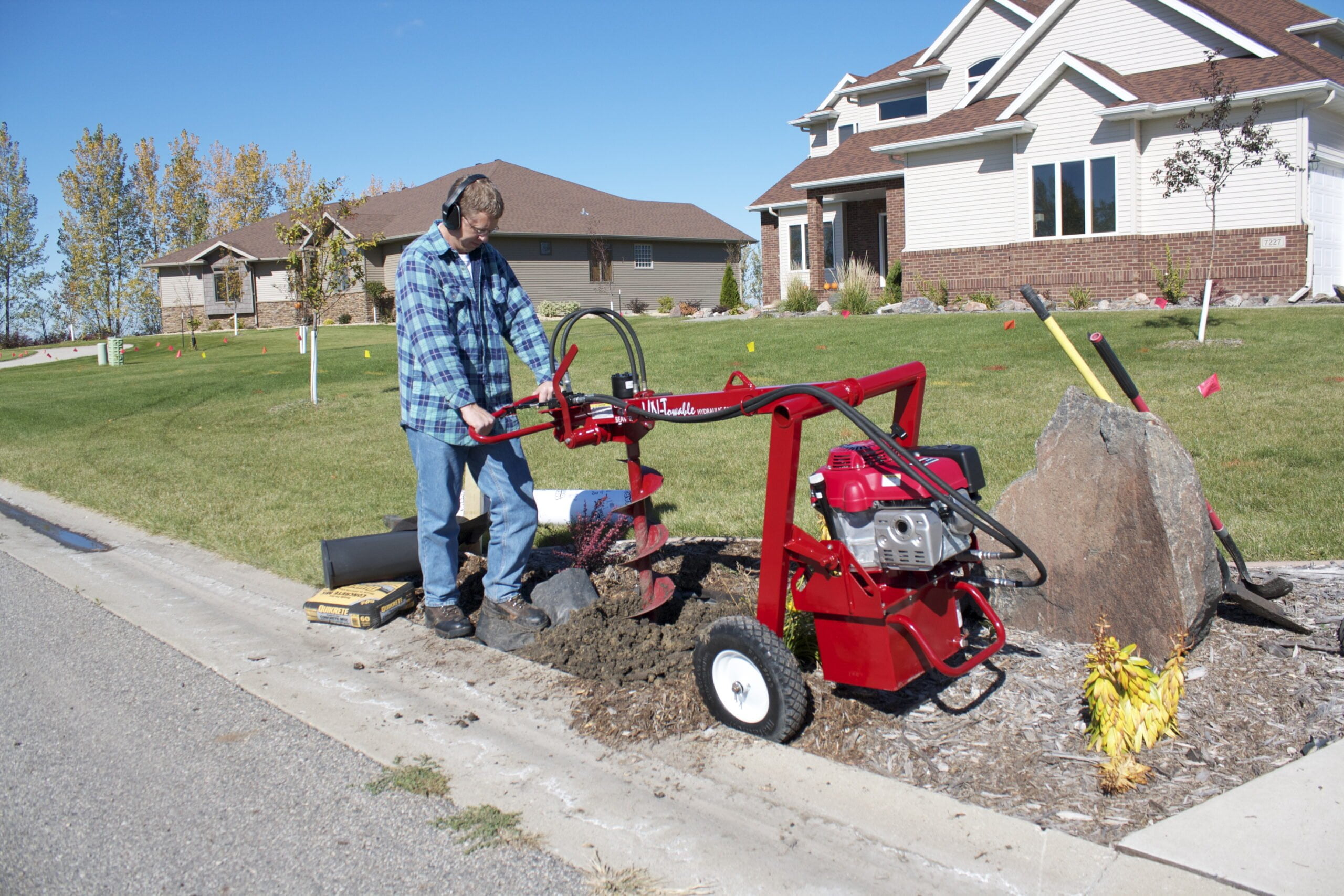
Hydraulic earth drills are best for areas with exceptionally rocky sediment or hard clay. Little Beaver Towable Earth Drills can be a convenient option for pulling the equipment right up to your work area, while our UN-Towable Earth Drills can be stowed in the back of a pick-up truck or SUV. Both are hydraulic.
Mechanical and Hydraulic Earth Drills speed up the fencing process as they can drill a hole in less than one minute with minimal effort. Our models also make drilling safer for one person. Little Beaver’s steel torque tube protects the operator from dangerous kickback by transferring that kickback from the auger to the power source.
Hire a Contractor
Naturally, contractors know where to find the highest quality materials, so you’re more likely to get a top-notch product in that regard. Their many years of experience equip them to handle difficult scenarios with ease. Is the area you seek to fence flat or hilly with a steep terrace? This may be difficult to navigate on your own.
Ask yourself if this fence is a temporary fix or a structure that you hope will last for many years to come. An error made during a DIY installation might compromise the integrity of the rest of the fence. Given their level of experience, a contractor is more likely to get it right the first time. If the fence will be especially large or one that requires going deep underground, you might be better off hiring a professional. Read online reviews and seek recommendations from friends to ensure you hire someone who is safe and reliable.
Fencing Finale
There are many factors to consider when deciding between DIY and hiring a contractor for your fencing project: your time, budget and handyman abilities. If you do the work yourself, Little Beaver Earth Drills will help you achieve your project goals effectively. We also have a vast library of informative blogs on our website to help guide you through the process and answer any questions you might have. If you have questions, contact us directly by phone or email.
Last updated Mar 27, 2026
Utilizing a Mini-Trencher to Bury Dog Fence Wire
Wired electric dog fences are growing in popularity as a way to safely contain your dog without the hassle of installing a traditional fence. In addition to increasing curb appeal, electric dog fences work well for odd-shaped yards, create a stronger signal than wireless fences and can be easily expanded with the addition of more wire.
When it comes to installing electric dog fence wire, there are a variety of ways to do it. Instead of straining your back with manual installation methods, we recommend renting a mini-trencher like the Kwik-Trench to get the job done. Here are the steps to complete the work as easily as possible.
What You’ll Need:
- Dog fence containment system
- Kwik-Trench mini trencher
- Twisted wire
- Wire cutters
- An electric drill (optional)
- Splicing kits
- Shovel
Establish the Boundaries
Once you have everything you need, plan the boundary for your dog. Whether that’s sectioning out a dog-free area or laying boundaries in a large yard, it’s important to plan just how much access to give your dog. Make sure to check the manual that came with your electric dog fence during this step for any restrictions or local guidelines.
You’ll need to make note of a few areas to consider while establishing this boundary. The first is to find an electrical outlet where the transmitter box will be located. Many homeowners choose their garage or shed. The other area to mark is where you want your dog to be able to cross the wire safely, such as through doorways.
Create Crossing Points
To create points where your dog can cross safely, use a pair of wire cutters to snip the wire in the location you need. Make sure to also disconnect the wire from the transmitter box by removing the pin of wire. Then, take some twisted wire and twist it together with the dog fence wire so there is around one twist per inch of wire. A good rule of thumb is the more rotations the better. If you’re hoping to create a lot of cross points for your dog, using an electric drill for this step can make things easier.
Once the cross points have been twisted, splice the twisted wire and place it back inside the boundary loop. We suggest a splicer kit for this step to make the process easier. Then, connect the twisted wire to the transmitter box.
Time to Trench
It’s worth noting that some will try to staple the electric wire above ground for an easy solution, but this will shorten the lifespan of the wire when rodents, the dog or weather degrade the wire. It can also pose a tripping hazard or get caught in lawnmowers. A better solution is digging a trench to bury the wire, and renting a mini-trencher is both easier and more efficient than manual methods. Dog fence wire should be buried 3 to 5 inches below the ground. This is deep enough to protect the wire from animals and weather but shallow enough to maintain a strong signal.
To get started with a mini trencher like the Kwik-Trench, watch this helpful video for how to operate the machine. As the trencher is warming up, make sure to lock the swivel wheel to trench straight lines. Once the swivel lock is in place and the trencher is warmed up, use the manual crank control to adjust the cutting depth and simply push the trencher forward. With a mini-trencher like the Kwik-Trench, you can dig up to 30-feet of trench per minute. If your trench needs to follow curved lines in some areas, simply unlock the swivel wheel to easily move around small yards or hard-to-access areas.
Backfill it Up
Once the trench has been dug, place your dog fence wire inside and get ready to backfill. When using a Kwik-Trench, backfilling is easier than ever because the machine neatly deposits the soil right next to the trench so you can simply push it back in with a shovel. An added benefit of using a Kwik-Trench for burying dog fence wire is the pneumatic tires that won’t damage turf. This means after backfilling your trench, your job is complete – no additional clean-up necessary!
If you have any additional questions about how to dig a trench for an electric dog fence, don’t hesitate to reach out to your local rental center or a Little Beaver expert. We are happy to help make your project go as smoothly as possible!
Last updated Mar 27, 2026
Using an Earth Drill to Install a Mailbox Post
If you’re wondering how to install a mailbox post, you’re not alone. Mailbox installation is a very common do-it-yourself (DIY) project many homeowners take on. For the least labor-intensive option, we suggest renting an earth drill to get the job done. Using an earth drill, like Little Beaver’s mechanical or hydraulic earth drill, will not only be more efficient than alternative methods, it will also reduce the strain on your back and other potential injuries.
What You’ll Need:
- Little Beaver earth drill with an auger 3 times
wider than the post - Mailbox post (we suggest a 4×4-inch wooden post or
two-inch diameter steel or aluminum pipe) - 50-pound bag of concrete
- Mailbox
- Bricks or stone for landscaping (optional)
After gathering the necessary items, we suggest starting by calling 811 to mark buried utilities and checking the manufacturer instructions that came with your mailbox model. Once you have your Little Beaver earth drill rental, make sure to read the owner’s manual or work with your rental center to learn how to operate the drill. Once you’re ready to go, watch our easy set-up video to see the step-by-step process for setting up the drill and disassembling it for transportation. You can also contact the Little Beaver team with any questions!
Per USPS guidelines, a mailbox should be placed six to eight inches back from the curb and 42 inches off the ground. Once you’ve found the right spot, you can start a pilot hole using the earth auger. This is a small hole drilled into the ground to help guide the larger drill for a more precise drilling location. Once the pilot hole has been created, it’s time to put the earth auger to work! After you’ve drilled to your desired depth, typically 20-24 inches, simply lift the auger from the hole and you’re ready for the next step!
Although it’s possible to install a mailbox without concrete, we suggest taking this extra step for improved security and durability. After preparing a bag of fast-setting concrete, place the post in the hole and pour the concrete into the hole around the post. Make sure to allow a few inches of space at the top of the hole and use a level to double-check that the pole is straight. If it has shifted, adjust quickly before the concrete dries.
After the concrete has set, it’s time to attach the mailbox to your post! Most manufacturers have their own instructions for how to get this done, so we recommend following those closely. Once the mailbox has been attached, don’t forget to add your address. If your mailbox is on a different street than your home, USPS requires that you put the full street address on the mailbox.
Even though your mailbox is technically complete after adding your address, you can always go a step further by landscaping around the mailbox before returning your earth drill to the rental center. Earth drills have many uses, including DIY landscaping such as planting small shrubs around your mailbox post.
Last updated Mar 27, 2026
Using an Earth Drill to Successfully Install Wooden Fence Posts
Installing wooden fence posts can be a great DIY project, especially if you’re renting an earth drill to make the job more efficient and less labor-intensive. Before you get started with your fencing project, there are a few things to know to set yourself up for success and prevent frustration in the future.
Plan Ahead
As tempting as it might be to start drilling as soon as possible, it’s important to call 811 and check local codes and ordinances before you drill. 811 is the national call-before-you-dig phone number that will send out a locator who will mark the approximate location of any buried utilities with paint or flags so you can avoid them. Some areas will also require permits before you build your fence, so make sure not to skip this step.
What You’ll Need:
- Shovel
- Gravel
- Level
- Concrete mix
- Mechanical earth drill with an auger 3 times wider than the posts
- Stakes (enough for each wood post)
- Wood posts (at least 8 feet in length)
- Rope (the length you’re setting your fence posts apart)
Lay the Foundation
The type of wood you choose for your fence posts will determine their life expectancy. It’s also important to look for chromated copper arsenate (CCA) pressure-treated wood, which will slow the decay of wooden fence posts over time. Pine is a popular choice for fences that can last up to 30 years when treated. Other long-lasting woods are redwood, sweetgum or cedar because they are highly resistant to moisture which helps prevent decay, cracking or warping.
Once you have the supplies you’ll need, carefully mark the location of each post with a temporary stake. When building wooden fences, it’s crucial to have the fence posts in a straight line, otherwise you’ll notice the poles weaving in and out of line after the poles have been placed. Stretch a long rope between each stake for a simple way to measure and mark the location of each post.
After you have marked the location of each post, it’s best to use a shovel to remove any sod you might be drilling through. Grass and vegetation can clog the end of an auger — especially when wet. This step might seem like a hassle at first, but it will save you time and frustration once you start drilling.
When it comes to picking a drill to rent, we suggest prioritizing safety. All Little Beaver earth drills incorporate torque tubes along with a slip clutch for added safety while drilling. A torque tube offers consistent safety by absorbing shock as you encounter different soil and resistance. On the other hand, the slip clutch offers protection for both the operator and the drill if you hit a rock or tree root while drilling.
Get Drilling
When the prep work has been finished, it’s time to get drilling. Make sure the auger enters the soil perpendicular to the precise point you marked with the stake and keep it vertical as you drill. It’s important to prevent the auger from entering the ground at an angle; otherwise, you risk setting a crooked fence post or a creating hole that’s difficult to backfill.
Dig the fence post hole so the diameter is 3 times the width of the post. For example, if the fence post has a 3-inch diameter, the hole should be about 9 inches wide. The depth of the hole should be one-third to one-half the post height above ground. For example, if the fence post is 9 feet tall, the hole depth should be at least 3 feet. If you live in a cold climate, it’s also important to make sure you dig your post below the frost line to prevent the fence posts from moving or heaving when the ground freezes in the winter. To dig below the frost line, check the local frost lines in your area and dig your hole 6-inches below that.
When the hole is complete, make sure to stop the auger and pull it out for a clean hole. To make this step easier than ever, Little Beaver mechanical earth drills have a lightweight design and our hydraulic earth drills feature a reverse button. Continue the drilling process until all fence post holes are complete.
Set the Posts
When all the holes are drilled, pour in about 3 to 4 inches of gravel. This will help with drainage as opposed to a post hole that’s filled entirely with concrete. Use a piece of scrap lumber or other blunt object to tamp down the gravel. This will ensure it doesn’t settle and allows for optimal drainage. On top of the gravel, add about 6 to 8 inches of concrete, and place your post in the middle of the mixture. Using a level right after this step will help to make sure the post is properly positioned. Once the concrete is leveled, fill the rest of the hole by backfilling the dirt and tamping as you go. From here, follow the instructions on your concrete mix to see how long it will take to dry.
After this step, your fence posts are ready to go, and the rest of your fence can be assembled. If you have any questions regarding drilling holes for fence posts with a Little Beaver earth drill, don’t hesitate to contact the Little Beaver team. We’re happy to help with any questions that might come up.
Last updated Mar 27, 2026
Tips for getting the most out of your Kwik-Trench
Whether you have owned a Kwik-Trench for years or you’re renting one for the first time, there are a few dos and don’ts that are important to know beyond the guidelines for basic operation. From safety precautions to backfilling advice, we put together a list of tips to keep in mind for your next project.
1. Do Select the Right Trencher for the Job
If you’re wondering how to choose the right trencher, you’re not alone. With so many options available, it’s helpful to narrow down your search using important criteria such as the size of the project, the soil type and how deep and wide you’ll be trenching.
Mini trenchers like the Kwik-Trench can cut up to 30 feet per minute and dig up to 12 inches deep, making them an excellent choice for the shallow trenching needs of rental stores, landscape contractors, golf courses and more. The Kwik-Trench not only has a compact size that can get to places larger trenchers can’t, its pneumatic tires also help to preserve your lawn. With the ability to easily saw through a variety of tough materials like compacted clay, road fill, asphalt and tree roots up to 10 inches thick, the Kwik-Trench is a great choice for almost any landscape project.
2. Don’t Forget to Call Before you Dig
Making sure to call 811 at least three business days before starting your project is a crucial step when it comes to safety and preventing damage to underground utilities. This free service, available in the United States and Canada, sends professionals to your property to mark the location of underground utility lines including water, power and gas so you can know where to dig and what to avoid.
3. Do Plan Your Path
Another helpful tip is to use marking paint to map the path for your trench after the utilities are marked. This is an easy way to save time and be sure you stay on track. Complete a visual assessment to understand the soil you will be digging through and to check for any obstacles, such as tree roots, that you might encounter along the way. When preparing to trench along a straight path, lock the rear swivel wheel of the Kwik-Trench into position to easily guide the trencher straight ahead.
4. Do Use a Proper Method for Backfilling
Properly backfilling a trench will prevent sinking and settling later. A Kwik-Trench simplifies the backfill process by creating narrower trenches and depositing the soil neatly on one side of the trench. This allows you to backfill 50% faster than models that deposit soil on both sides. Backfill 4 to 6 inches at a time, making sure the soil is level and free of debris. This will prevent the occurrence of cupping as the dirt settles.
5. Do Stop and Troubleshoot if Your Machine isn’t Working
If you notice your Kwik-Trench isn’t working properly, make sure to stop and check out the Kwik-Trench FAQ page to troubleshoot. For example, if the cutter wheel quits turning when you push forward, that usually means the clutch mechanism or drive belts are slipping. In very hard clay soils, you can prevent this problem by pushing slowly and letting the machine cut at a slower rate. If your machine binds when you try to raise or lower it, cleaning the guide tubes and lubricating with a graphite or silicon spray should do the trick. For Kwik-Trench owners, staying on top of routine maintenance is a good bet to ensure optimal performance.
At Little Beaver, we’re committed to your success no matter the size of your project. If you have additional questions regarding your Kwik-Trench, don’t hesitate to contact us or check out our FAQs.
Last updated Mar 27, 2026
By Ryan Tollefsen Realtor,
Keller Williams Realty Alaska Group
When homeowners make a plan for a curb appeal upgrade, there is often a lot of discussion about what is necessary and which ideas are practical. Having the proper tools for any home improvement project is crucial for its success. Since curb appeal is so important for home value, homeowners want to be sure they can do it right the first time. Here are a few tips (and tools) that ensure greater accuracy and make the whole project easier.
Why Every Home Needs Curb Appeal
Although some homeowners do not think about curb appeal until they want to sell a home, many choose to maintain or improve their exterior systematically over time.
The view of the home in relation to other homes in the neighborhood is what makes up what is called, “curb appeal.” Why does one home look better than others on the block? Curb appeal is a vital part of the home’s overall value. Even if homeowners have just moved in and do not plan to sell for many years, preserving home value should always be on their minds. They may need it if they want to refinance their mortgages, get a home equity loan for other improvements, or sell the home unexpectedly.
Here are two high-impact improvements to consider when looking to boost a home’s curb appeal:
Highlighting With Landscape & Outdoor Recreational Lighting
There are many things that homeowners can do for their properties to accentuate the wonderful aspects that are already there. Lighting is a good example. Landscape lighting is an excellent way to make the perfect look for the property at night. Lighting can also be used for outdoor recreational lighting to entertain guests or simply enjoy a change of scenery at night.
Of course, installing lighting outside often involves digging the electrical lines for the lighting. Doing this by hand, homeowners could spend hours putting strain on their backs digging down 6 to 12 inches so that they can install their sidewalk lighting. Alternatively, they could use a Little Beaver Kwik-Trench mini-trencher to save their backs and a great deal of time. The Kwik-Trench allows homeowners to:
- set the perfect depth for the trench
- move at a rapid pace
- reach spots that a larger trencher cannot access
Installing landscape lighting should not have to be a task that takes days or weeks. With this tool, the job will be done much more quickly.
Building the Ideal Perimeter Fence
Curb appeal concerns more than just the home and garden. That is why homeowners often look for ways to create attractive fencing or barriers surrounding the edges of the property. When homeowners need to install trees, vegetation or fences, they usually need to drill or dig using an auger. The best augers make it simple for people to dig a hole through any type of soil, of any width and a variety of depths. Snap-on augers offer exactly what homeowners need, with a design that is practical for almost anyone to use.
Planning Into the Future
Homeowners may be surprised with just how many projects they can accomplish with the right tools. Homeowners who used a trencher to install lighting might decide to call on it again to build a new garden, or change up their landscaping design. An auger with removable blades is a useful implement to keep on hand for landscape maintenance and other digging projects.
Building curb appeal for a home is less a single task than it is a state of mind. Taking advantage of tools that simplify the work allows people to ensure their homes look great every year without wasting time or effort. When homeowners use the right tools it creates the opportunity to do much more, both inside and outside the home.