Mechanical vs. Hydraulic Earth Drills: How to Make the Best Choice

Mechanical vs. Hydraulic Earth Drills: How to Make the Best Choice

Factors to Consider

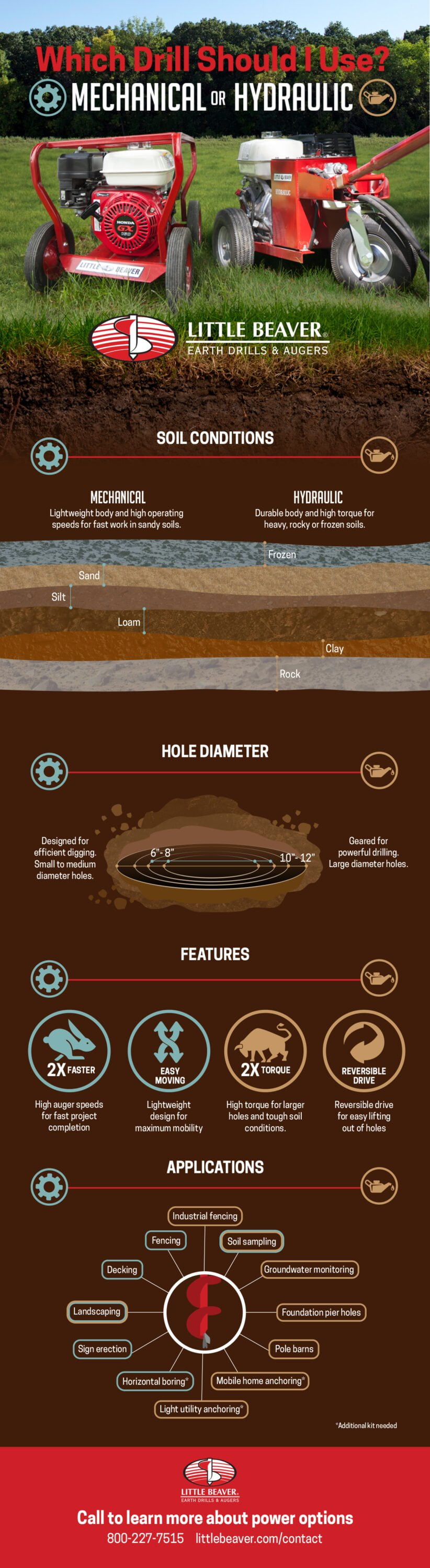
Choosing between mechanical and hydraulic earth drilling equipment is as simple as evaluating the type of work that needs to be done and the environmental conditions that will affect your drilling. Factors like soil type, hole size and auger speed requirements can help you decide whether a Mechanical Earth Drill or Hydraulic Earth Drill will be more effective for your next project.

Explore our infographic below for a quick guide on choosing the right drill for a job, then keep reading to dive into more detail.

Mechanical or hydraulic earth drill

Little Beaver’s Mechanical Earth Drill is your go-to for speed and efficiency. This one-man auger is lightweight, easy to maneuver and makes quick work of sandy soils. Our mechanical drills give you high-speed rotation to the tune of 360 rpm, which delivers clean holes fast. It’s the ideal post hole digger for fence posts, decks and other light-to-medium duty tasks where efficiency matters.

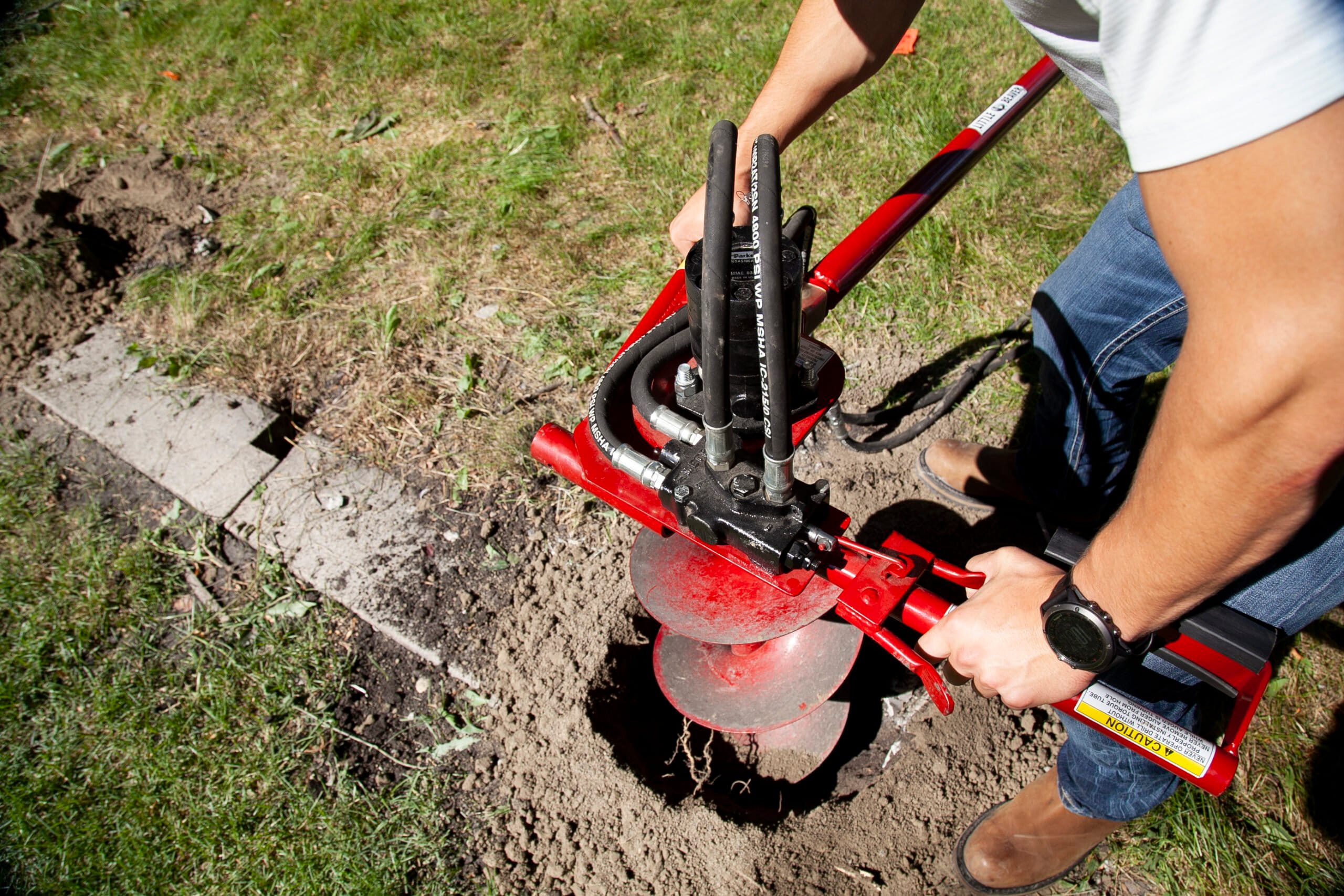
If the scope of your project calls for more power, our Hydraulic Earth Drill is a top choice. It’s built for rocky, clay or frozen soils and can drill large-diameter holes. Hydraulic earth drills operate at a lower speed than mechanical drills but offer more torque for these heavy-duty projects. Despite its robust power, you can easily lift it out of holes using its reversible drive.

While both our mechanical and hydraulic drills are fitted with excellent features to get drilling jobs done, each offers specific benefits to your next project.

Contact our team to learn more about which of our one-man earth drills offers the most efficiency for your operation.

Reimagine Your Fencing Capabilities

Reimagine Your Fencing Capabilities

Equipment for Unique Fence Installation Jobs

Little Beaver is known in fencing circles for fast and efficient posthole diggers, like our Mechanical and Hydraulic Earth Drills. But our equipment’s capabilities don’t stop there. We know that your projects can vary and expand beyond setting traditional fences — like installing a dog fence or shallow electrical lines that run along a fence. That’s why we offer multiple equipment options for fencing, landscaping and more.

Here’s how our equipment can help streamline your projects:

Underground Fencing

Some fencing projects, like pet fencing, involve digging underground lines around the perimeter of a yard. Digging by hand makes the project longer and harder to complete. But what other option do you have?

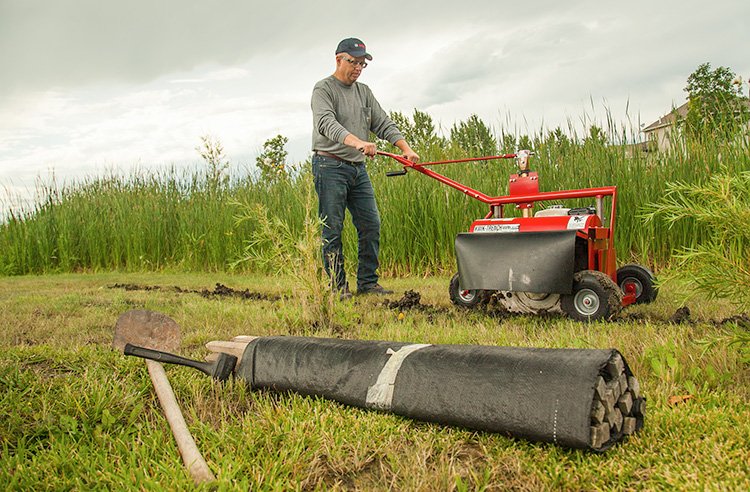
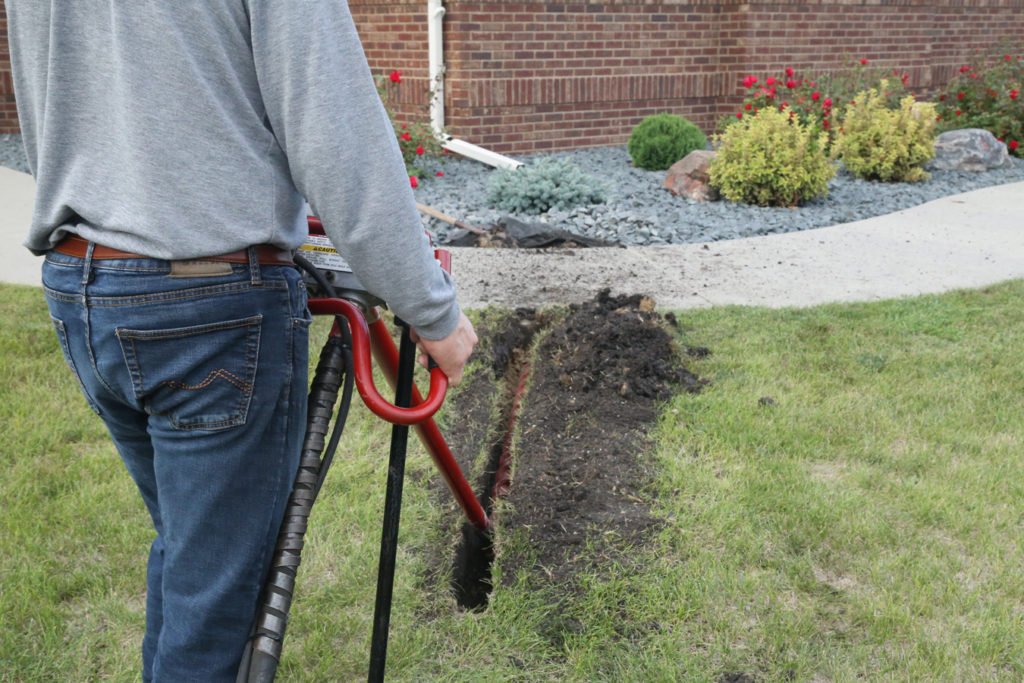
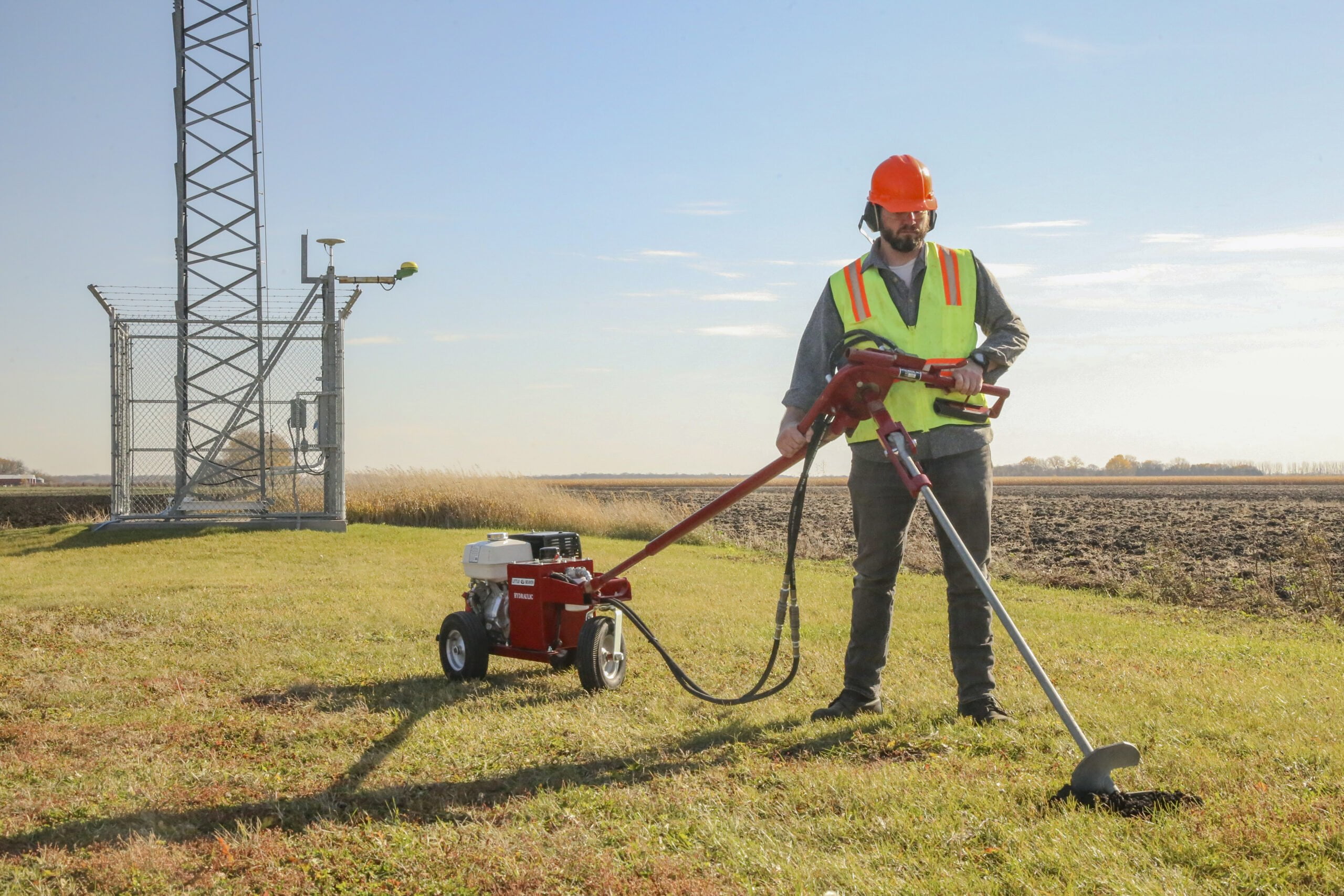
Well, there’s our Kwik-Trench mini trencher. We offer two options: the KT 200B and the KT 2400B. The KT 200B is built for lighter-duty jobs and smaller yards while the KT 2400B is for more demanding applications in tougher soils. Here are the overall benefits of both options:Mini-trencher silt fence installation

  • Minimal turf disturbance
  • Trenching speed up to 30 feet per minute
  • Trench depth range of 6-12 inches
  • Compact with a practical cutter wheel design
  • Maneuverable for tight spaces

The Kwik-Trench offers a safe, easy way to dig a uniform trench with consistent depth and size. For fencing contractors, a mini trencher saves hours of hand digging, significantly speeding up trenching tasks. It also creates the opportunity to support other projects, like installing electrical lines for landscape lighting.

Crossing Under Obstacles

Horizontal boring applicationsSometimes, underground fencing and electrical lines need to go underneath an obstacle, such as a sidewalk or a driveway. This task traditionally requires manual tunneling or cutting through the concrete to the ground below. Both of these options are time consuming, and breaking through the concrete diminishes the strength of the entire slab.

If you’re already using our Mechanical Earth Drill for fence installation, or if you’re considering adding one to your fleet, remember that it can be more than just a posthole digger. Our Horizontal Boring Kits pair with your Little Beaver Mechanical Earth Drill and bore cleanly underneath obstacles without disturbing the surface. There are two kits to choose from: a sidewalk boring kit and a driveway boring kit.

The sidewalk boring kit is a dry boring solution that’s perfect for smaller spans like those underneath sidewalks and includes a 5-foot auger with a 3-inch diameter bit and a 5-foot extension with a universal wiggle joint. The driveway boring kit is a wet boring solution and bores up to 50 feet underneath driveways or parking lots. The kit includes the option of a 2-, 3- or 4-inch drill bit as well as a swivel adapter, swivel assembly and horizontal boring key. To complete the kit, operators will need to use a garden hose, 3/4-inch Schedule 80 water pipe and 3/4-inch pipe collar. Both kits connect to our Mechanical Earth Drill.

Expand Your Capabilities

An earth drill isn’t the only piece of equipment from our line that can help optimize your projects. Once you’ve invested in an earth drill, you can expand outward with other solutions to boost your productivity and expand your capabilities. Contact our experts today to learn more about how our equipment can be used for fencing and landscaping.

Choosing the Right Earth Drilling Equipment for Your Project

Choosing the Right Earth Drilling Equipment for Your Project

Whether you’re a DIY’er looking to complete one simple backyard project or a contractor tackling customer jobs, choosing the correct drill type and auger for a project significantly increases the ease and efficiency of your drilling job. Let’s explore which choices are the best for your project.

Mechanical or Hydraulic?

Horizontal Boring Tips and Best PracticesDepending on the project, you might find that a mechanical earth drill performs better than a hydraulic earth drill. However, the best option comes down to a few different factors including borehole diameter, soil type and maneuverability needs.

Our Mechanical Earth Drills are ideal for drilling relatively small holes, ranging from 1.5 to 12-inch diameters, in sandy or loamy soil profiles. You might use this drill for landscaping, erecting signs or installing fence posts. DIY’ers often find the Mechanical Earth Drill to be the superior option for home improvement projects. With additional kits, these drills extend past simple post hole drilling. Little Beaver Mechanical Earth Drills offer the option to pair with a horizontal boring kit to bore up to 50 feet under driveways, sidewalks and parking lots.

Fencing with Hydraulic Earth DrillOur Hydraulic Earth Drills have twice the torque of our mechanical models, which makes them better for tasks demanding larger holes up to 16 inches. This could include projects like building a pole barn or monitoring groundwater. These high-powered machines are optimal for use in frozen soil, clay and rocky sediments.

Both earth drill options feature compact, lightweight designs that give them a small footprint and allow them to reach areas where larger models and skid steers can’t go.

Hydraulic Earth Drills can take mobility one step further. Our Towable Earth Drill conveniently attaches to a trailer hitch for hauling to and from the jobsite while the UN-Towable can fit in the back of most SUVs and pickup trucks. They’re also able to drill right next to buildings and other structures. For the toughest jobs, we offer the Big Beaver. Rental centers often choose to stock both mechanical and hydraulic earth drills to appeal to a wider audience of users, including DIY’ers and contractors.

Selecting an Auger
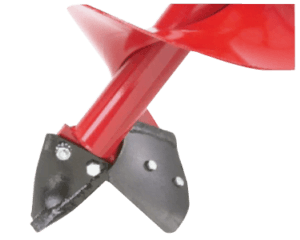
Little Beaver PointsAuger selection can be just as important as drill selection. Roughly 80% of projects will use a standard auger with standard points and blades, which work best in loamy, sandy soil profiles. Typically, these augers range in size between 1.5 to 16 inches, reaching depths of up to 36 inches. Some manufacturers offer additional points and blades that help to expand the use of the standard auger. For example, a carbide blade is best for the toughest types of ground, such as asphalt, dense clay and frozen dirt.

When there’s harsh, rocky terrain underfoot, you need an equally rugged auger. Heavy-duty augers are designed with features like larger flighting and tougher cutting blades. Little Beaver also has heavy-duty points and blades to slice through harder ground, like gravel.

To choose the best auger for your project, it’s important to understand the terrain you will be drilling in. It’s also important to recognize if you’re going to be using the same drill for more than one project. While a post hole might be drilled in an area with loamy soil, a sign might be installed in harsher soil conditions, which will require different auger types and, possibly, different auger diameters.

Making the Best of Your Project

Little Beaver offers an expansive library of informational resources to help you make your project a success. In the FAQ section of our website, you can find detailed answers to questions that may arise as you drill deeper into a project. We’re also happy to have you contact us directly by email or phone.

Safe Storage

Safe Storage

Store Your Earth Drill Properly this Winter

Most contractors and rental centers that employ earth drills will experience an approximately 3-4 month winter period in which the equipment is not being used. Before storing your Little Beaver earth drill for the season, take some time to thoroughly examine the drill and ensure that all components are in working order. The simple steps below will ensure your machine is ready to go in the spring.

Hydraulic Hibernation

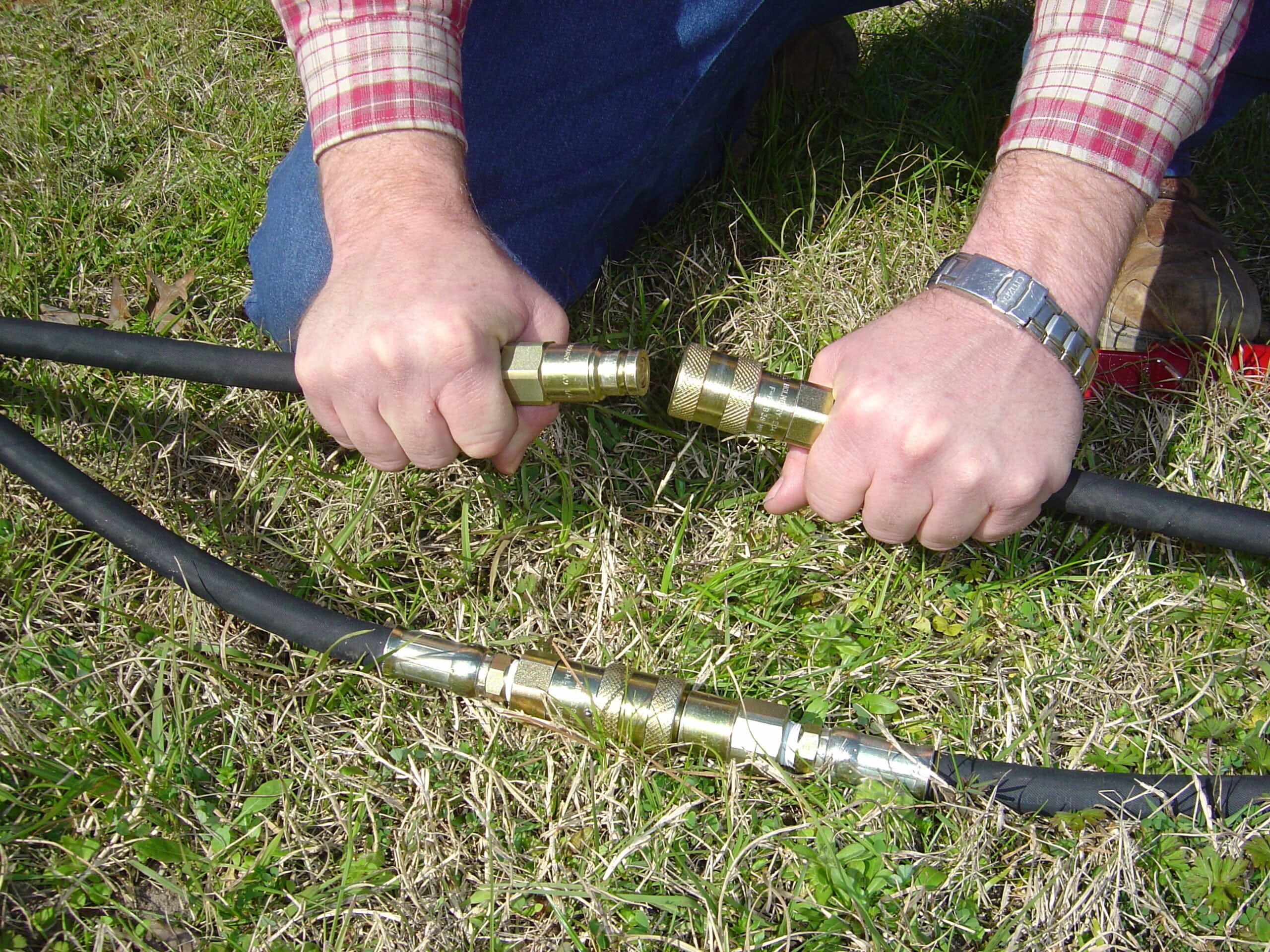
Little Beaver Hydraulic Drill maintenanceTo prepare a hydraulic model for storage, remove the shroud between the tank and the engine to inspect the coupling component. Make sure the rubber spider is not worn or missing pieces. Check for hose leaks or loose connections and look for any cuts or cracks that might be causing them. Additionally, lock the drive head into the “storage” position by pivoting the handle.

Don’t leave your machine out in the cold all winter. Hydraulic oil thickens as it becomes cold, which could damage the hydraulic system and the hoses. The hydraulic oil needs to be changed every three months or 100 hours of use, so it’s more efficient to simply drain the oil for the storage period; just don’t forget to replenish it in the spring. You should use premium mineral oil with anti-wear and anti-foaming additives. If you are using the drill in frigid temperatures, we recommend ISO VG 32-grade oil (46 for normal temperature operation and 68 in warmer climates). 

Year-End Mechanical Maintenance

Little Beaver Mechanical Earth Drill TransmissionRoutine maintenance during active drilling periods of the year keeps your machine primed for the most rugged applications. This includes inspecting, cleaning and lubricating applicable parts for every 30-40 hours of use. But when your drill’s hard work is done and it’s time for its seasonal slumber, ticking off some end-of-the-year checkboxes will make sure it’s ready to go next spring.
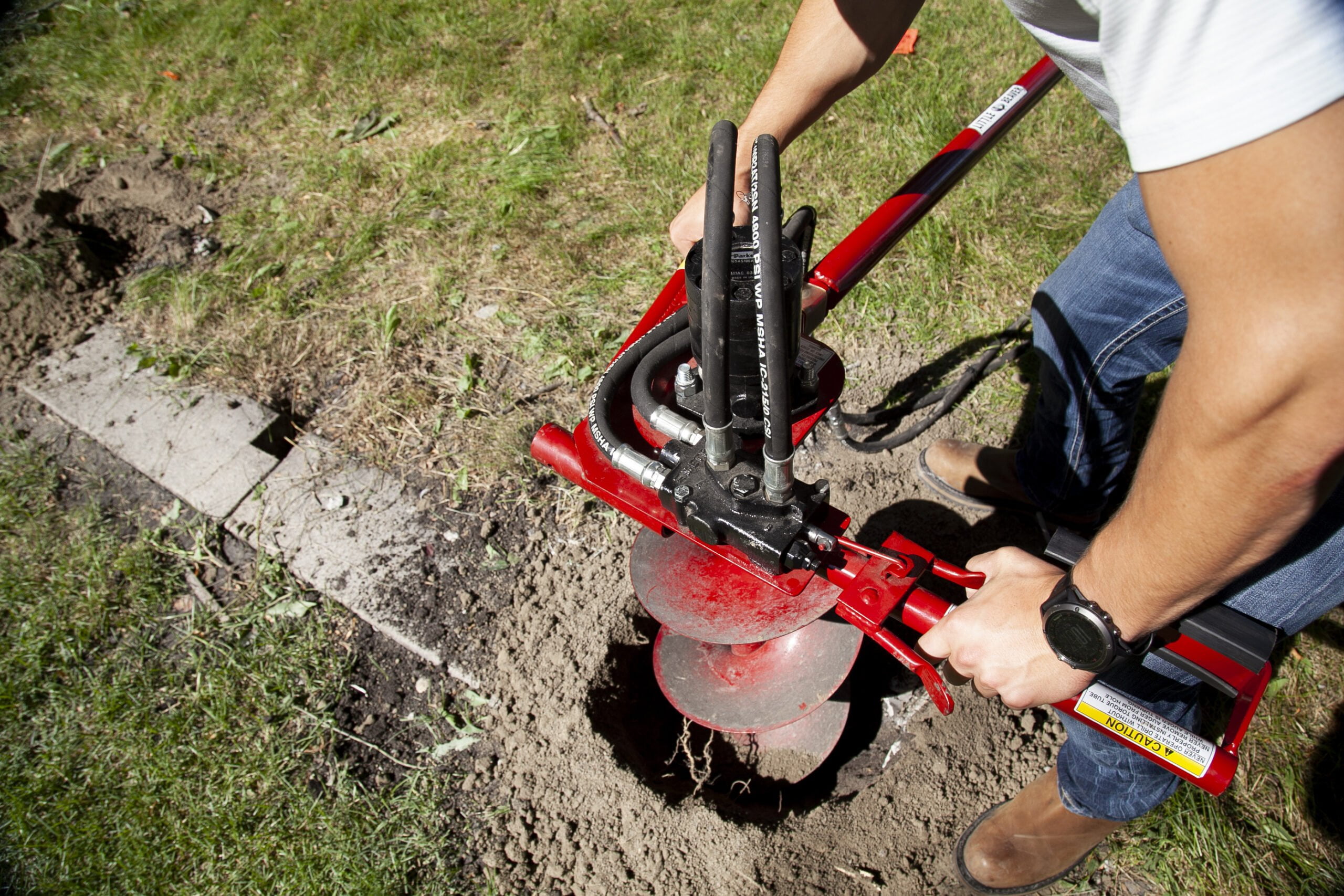
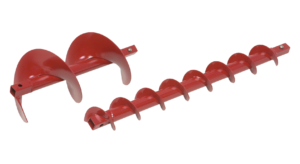
Store the drill so that the flexible shaft is stretched straight and not curled up; check for cracks or wires on the outer housing. Look for rust on the push button connector and if you find any, wipe it down with WD-40. Check out the throttle cable as there’s a good chance you’ll need to take things apart to clean it. If frayed, it should be replaced.

Ready for Spring

Some storage preparation steps apply to both hydraulic and mechanical units. There are a couple of options for winterizing the gasoline-powered fuel system of your mechanical or hydraulic drill. The simplest is to completely drain the gas tank. You can also add fuel stabilizer solution, which forms a protective layer by bonding with gasoline to prevent evaporation. It also stops the buildup of sticky resins that can destroy a carburetor and remains effective for up to one year.

Fuel stabilizer is recommended any time a gas engine, especially an older one, will be out of use for three weeks or more. Fill up the rest of the tank upon taking it out of storage, as this will diffuse the stabilizer. Nonethanol gasoline is best for this type of equipment, especially when putting it away for storage or filling up in the spring. Ethanol’s corrosive effects increase the longer the machine sits idle, and the blend doesn’t always mix well with stabilizer. Once this is done, grab a couple wrenches and tighten up all bolts, as they can become loose through the course of routine drilling and transportation.

Always store earth drills in a warm, dry space. Left to the elements in a high-moisture area, the steel will eventually develop rust. Make sure to keep them in a space that doesn’t get heavy foot traffic so it won’t get knocked over or otherwise disturbed, especially if there is a chance of animals or small children being nearby.

Don’t leave the blades dull or rounded since drilling with them can damage the flighting of your auger. Install new blades if they are replaceable or sharpen your carbide blades. Sharpen with a carbide bench grinding wheel tilted to a 5-7 degree relief angle. Clean your blades with warm, soapy water. Do not use a pressure washer, which is too abrasive and can cause damage.

Your Little Beaver Needs a Little Love

Properly storing your earth drilling equipment will keep it running smoothly for many years to come. For any maintenance questions, reference your owner’s manual, check out our online service videos or contact us for direct consultation.

The Hydraulic Hype

The Hydraulic Hype

Learn how hydraulic drills work and the safest ways to use them

Powerful and reliable, hydraulic earth drills offer a variety of benefits for drilling projects that require breaking through heavy clay or rocky soils. With the additional torque that comes with the hydraulic drill, it’s important to understand the hydraulic power source and how to use a hydraulic earth drill safely.

Why choose hydraulic earth drills?

Earth auger flighted extensionsPerhaps the most obvious question is why choose hydraulic earth drills in the first place? With a durable body and higher torque than mechanical options, a hydraulic drill can bring more power to a drilling project. Hydraulic earth drills can also drive larger diameter augers with extensions available for deeper drilling projects. Equipment longevity is a factor too. Hydraulic earth drills usually require fewer repairs overall, which lowers costs in the long run.
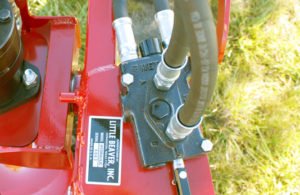
Once you’ve decided the hydraulic drill is right for your project, it’s time to learn more about what a hydraulic drill is and what you need to be aware of to use one safely. Hydraulic pressure is what generates the force behind a hydraulic drill. So, we’ll start there.

What is hydraulic pressure?

The term ‘hydraulic pressure’ refers to the pressure exerted by fluid (whether at rest or moving) on a surface or structure. In the case of hydraulic earth drills, the hydraulic pressure is the force the fluid creates to drive the drill’s auger forward.

Built-in pressure relief valveThe hydraulic system in Little Beaver hydraulic earth drills generates pressure ranging from 2,500 to 2,700 pounds per square inch with operating speeds up to 150 rpm. Little Beaver hydraulic drills have a hydraulic pressure relief valve that reduces the risk of hydraulic power exceeding the maximum pressure the drill is built to withstand. Once the hydraulic pressure reaches a pre-determined point, the pressure relief valve responds and feeds the excess flow from the system back into the tank. To ensure safety, the valve should be set as equal to or less than the rated working pressure of the weakest component in the hydraulic system.

A relief valve doesn’t remove system pressure, it instead works to prevent pressure from rising past the pre-determined level. The valve reacts quickly to protect against damaged equipment, disrupted work and even injury that can come from hydraulic pressure being too high.

How can you increase safety with the hydraulic earth drills?

Little Beaver hydraulic earth drills improve operator safety thanks to the torque tube, which eliminates kickback and allows for safe and productive one-man drilling without sacrificing power. An optional two-man handle is available too. This handle is more convenient when drilling boreholes between 10-16 inches in diameter where two people are needed to steady the auger. The bigger, heavier auger requires two people to handle it and lift it out of the ground.

As with any project, you should follow basic safety precautions with your hydraulic earth drill. Make sure there are no bystanders in the area before you start. Never run the engine inside a building or enclosed space as exhaust gases contain carbon monoxide and can be deadly. Observing your surroundings before you start drilling keeps both you and any bystanders safe throughout the drilling process.

Always contact local utility companies before drilling to determine the exact location of underground services. Inadvertent severing of telephone, fiber optic or community antenna television transmission cables or damaging sewer pipe is costly. Additionally, rupturing gas or water lines can cause serious injury. To locate these lines, call your local utility companies 48 hours in advance of digging to mark the positions.

Know Your Drill

If you’re looking to complete a drilling project for industrial fencing, landscaping, mobile home and light utility anchoring or any other drilling project that needs high power while still requiring maneuverability, a hydraulic earth drill might be right for you. To learn more about how hydraulic earth drills can help in your outdoor projects, consult with the Little Beaver team!

Contact our team today.

Are You Ready for Utility Anchoring?

Are You Ready for Utility Anchoring?

Utility Anchoring Adaptors Make Expanding Your Business Easy

Are you looking to dip your toes in the utility anchoring market? Maybe you’d like to start anchoring light poles or even commercial grade telephone poles? A utility anchoring adaptor expands the capabilities of our hydraulic earth drill so you can do more with your existing equipment. Little Beaver hydraulic earth drills paired with our utility anchoring system can anchor utilities faster and safer than traditional methods.

Traditional Utility Anchoring Options

Traditional utility anchoring methods rely on two different options: a high-speed, hand-held drill commonly known as an “anchor cranker” and installing the anchors by hand.

Hand anchoring requires a straight rod to screw the anchor into the ground using only the strength of crew members. Installation with this method averages one anchor per hour, a slow, physically demanding process that takes longer than other anchoring alternatives.

Anchor crankers, the other alternative, feature two large handles with a gas-powered, high-speed rotary unit and can only be operated safely with two people. This system is cumbersome and dangerous. Due to the machine’s torque and high rpm, if one operator happens to lose their grip, the other is typically unable to maintain control. In the event that both operators let go, the machine’s torque instantly transfers from driving the anchor into the ground to aggressively spinning the handles above the ground. Too often, the free-spinning metal will strike an operator, resulting in leg or other lower-body injuries.

Utility Anchoring Adaptors

Utility Anchoring DrillAt Little Beaver, we offer utility anchoring adaptors for our hydraulic earth drills. The adaptor connects the drill to the utility anchor for installation. We also offer a high-torque anchor handle for the hydraulic drill that generates 360 foot-pounds of torque at 60 RPM.

This setup brings the benefits of our torque tube to anchoring, eliminating dangerous kickback. It also expands crew members’ abilities to work faster. A single operator can install a utility anchor with a hydraulic earth drill in less than two minutes allowing for the completion of an entire pole in under an hour.

If the anchor hits something hard and becomes stuck, manually dislodging an anchor can take as long as 45 minutes, depending on the depth. Hydraulic drills, on the other hand, are equipped with reverse. If an anchor gets stuck, it can be backed out in seconds.

Our hydraulic earth drill paired with the anchoring system is perfect for limited access applications where larger equipment isn’t easily maneuvered. This is a good option for utility lines that are in residential areas or tucked behind buildings.

Beyond the safety feature of the torque tube, there are other health benefits to using our utility anchoring system. It reduces strain on the operator’s arms and hands by minimizing vibration. In turn, this reduces the potential for worker’s compensation claims and project delays due to injury or work time limits. It’s also a quieter alternative to gas-powered anchor cranker counterparts, helping to protect hearing.

Little Beaver utility anchoring adaptors allow you to take on utility anchoring projects quickly and safely. Contact us to learn about this and other attachments for your earth drill.